
Restored Classics
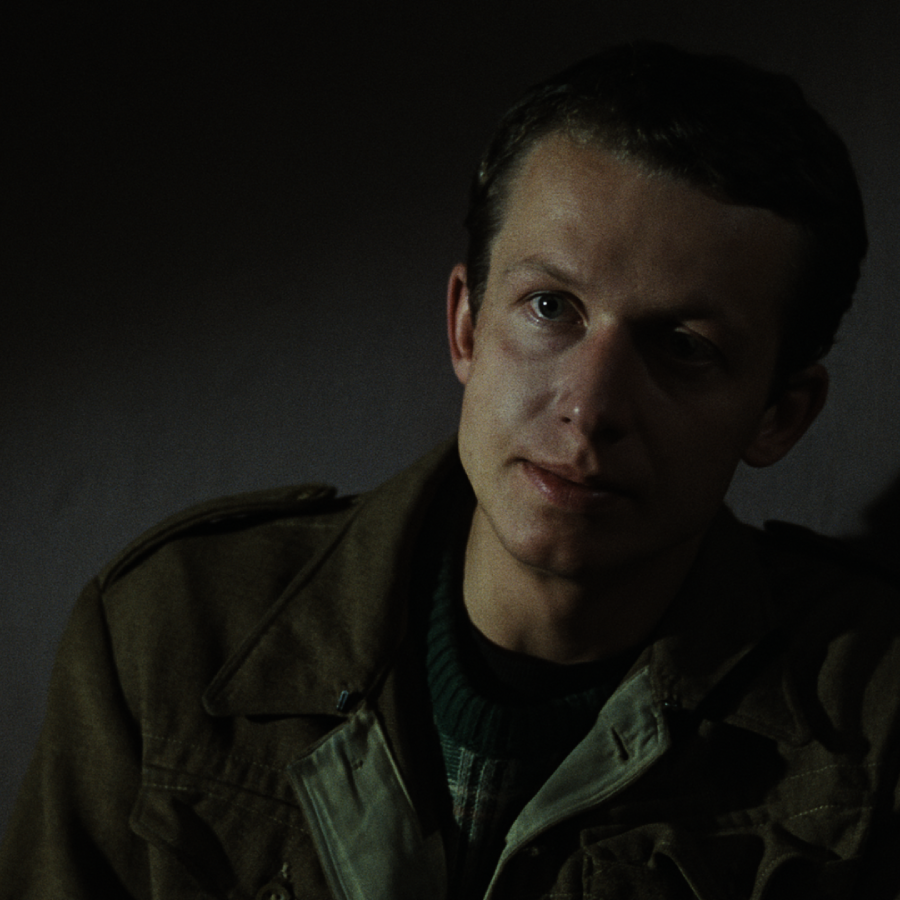
Blind Chance / Przypadek
Director's bio
Krzysztof Kieślowski
Krzysztof Kieślowski (1941–1996) was a Polish filmmaker celebrated for his profound explorations of morality, identity, and human connection, with a body of work spanning documentaries, television, and internationally acclaimed feature films. Born in Warsaw, Kieślowski studied at the Łódź Film School and began his career with documentaries and television films before moving into features. His early works include The Scar (1976), Camera Buff (1979), and Blind Chance (1981), which established him as a director deeply engaged with the social and political realities of Poland. He gained international recognition with Dekalog (1989), a ten-part series inspired by the Ten Commandments, hailed as one of the greatest achievements in television and cinema. This was followed by The Double Life of Veronique (1991), a metaphysical meditation on identity and fate, and his crowning achievement, the Three Colours trilogy (Blue in 1993, White in 1994, and Red in 1994), which explored liberty, equality, and fraternity through deeply personal stories. Kieślowski’s films earned him numerous awards, including the Cannes Jury Prize, Venice’s Golden Lion, and Berlin’s Silver Bear, cementing his reputation as one of the most influential European directors of the late 20th century

Synopsis
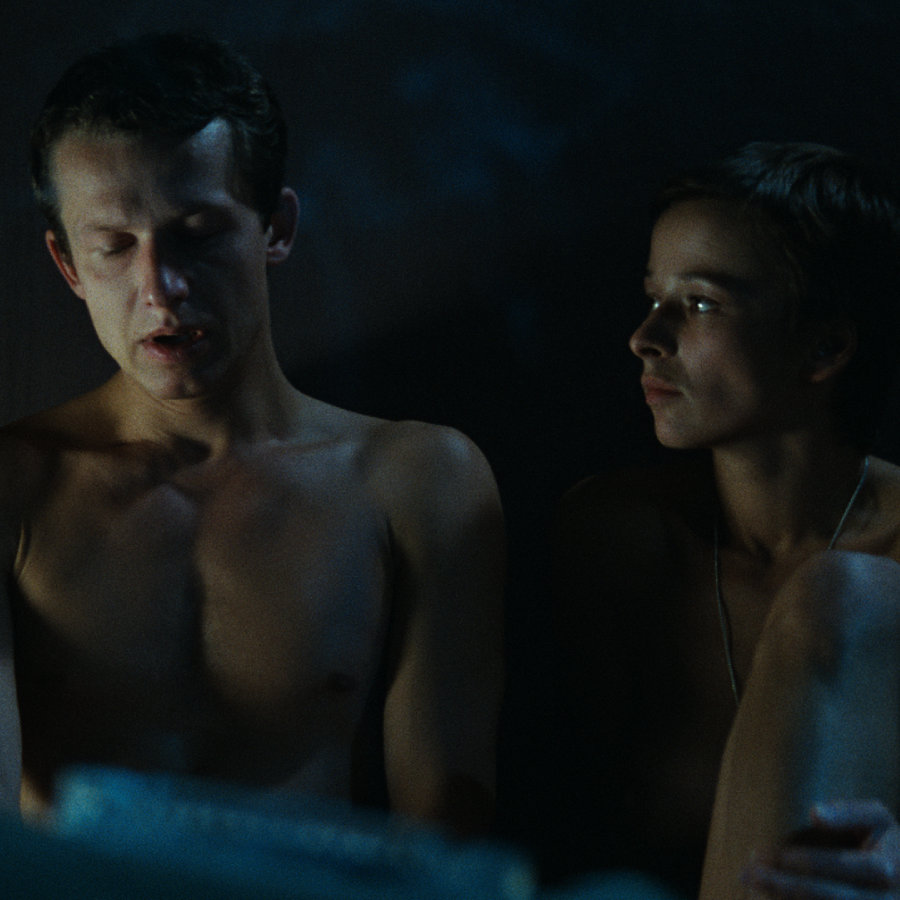
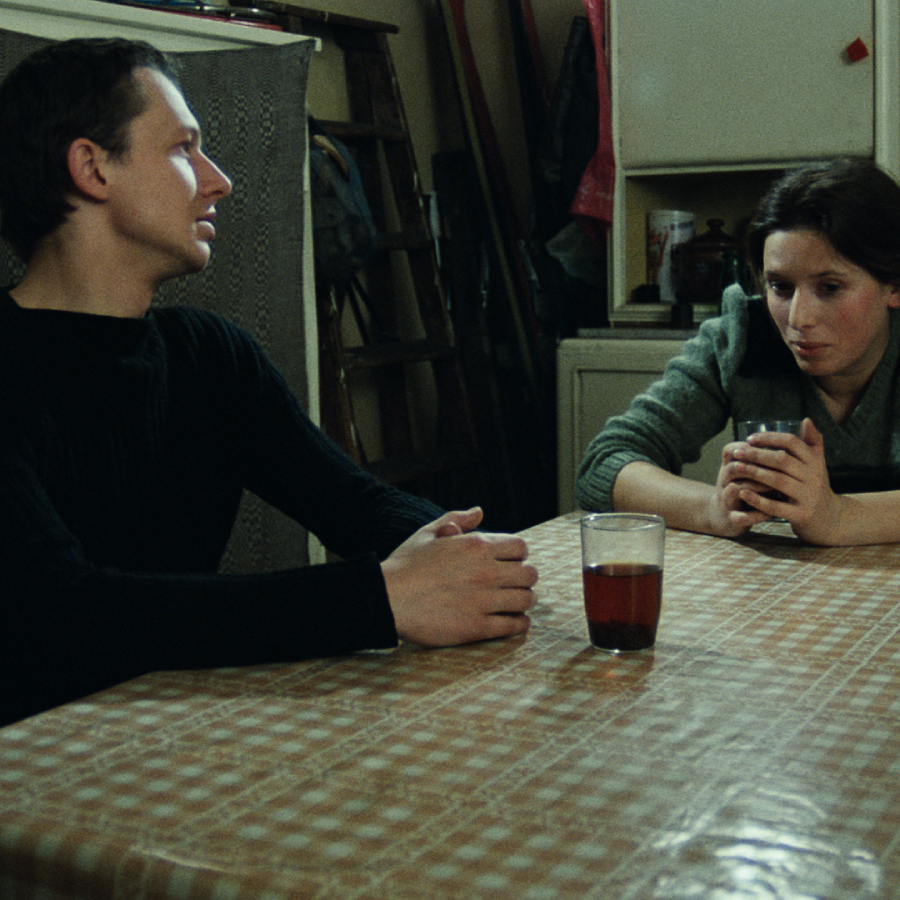
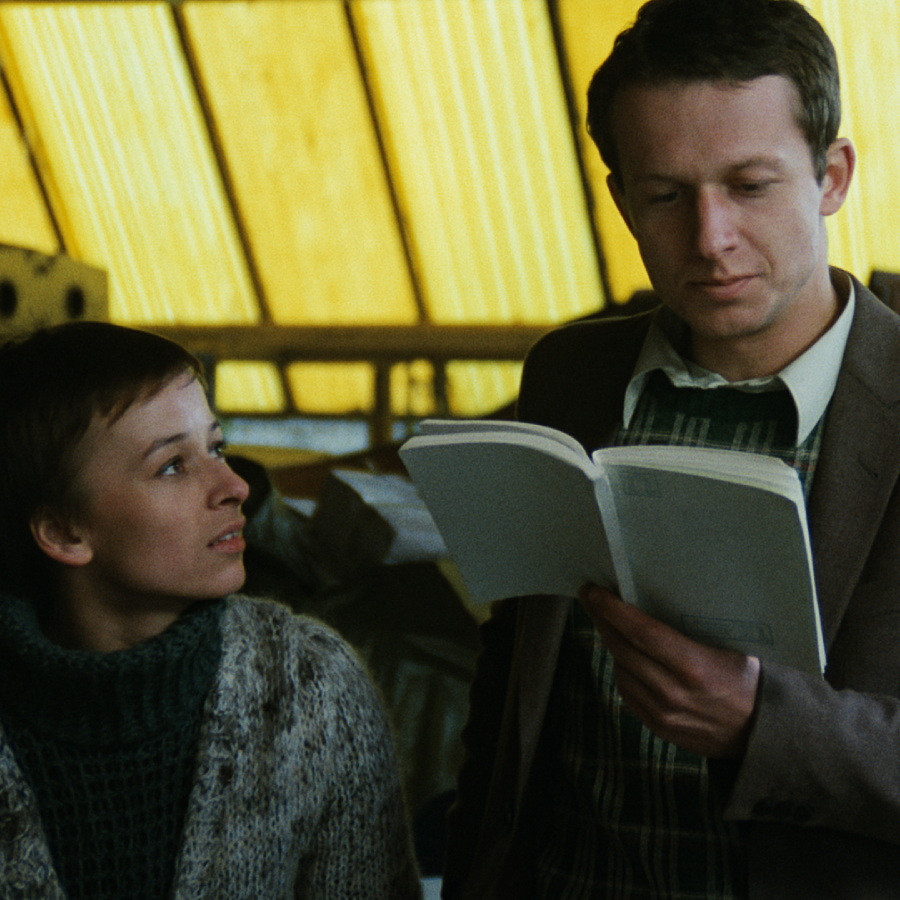
The film dramatically explores the conflict between political conviction and personal fulfillment by presenting the life of a medical student through three parallel narrative possibilities. This profoundly political film explores the myriad paths a single life can take, a concept that later influenced works like Sliding Doors, Run, Lola, Run, and Mr. Nobody. Although censored in Poland for many years due to its content, it is widely regarded as a work of sublime cinematic poetry.
Details of Cast
Bogusław Linda, Tadeusz Łomnicki, Zbigniew Zapasiewicz, Bogusława Pawelec
Details of Crew
DoP: Krzysztof Pakulski Editor: Elżbieta Kurkowska Music : Wojciech Kilar Sound Design: Michał Żarnecki
Producer Details
Jacek Szeligowski
Writer Details
Krzysztof Kieślowski
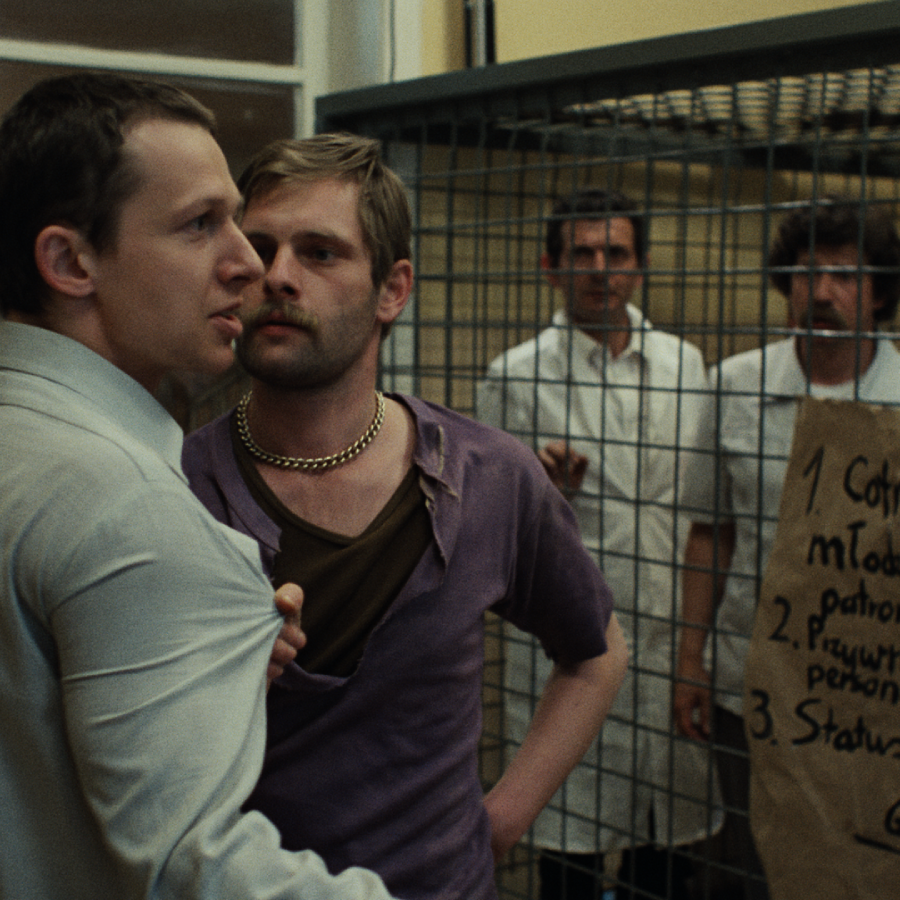
Stills
Films in this category
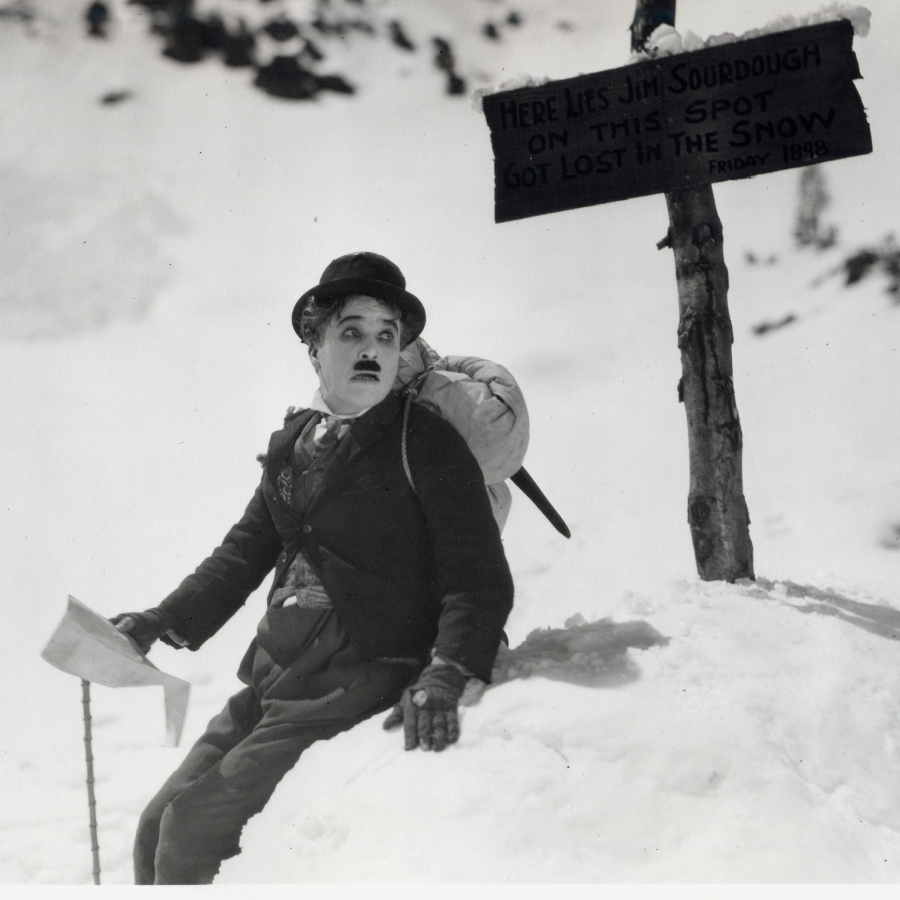
1925
The Gold Rush
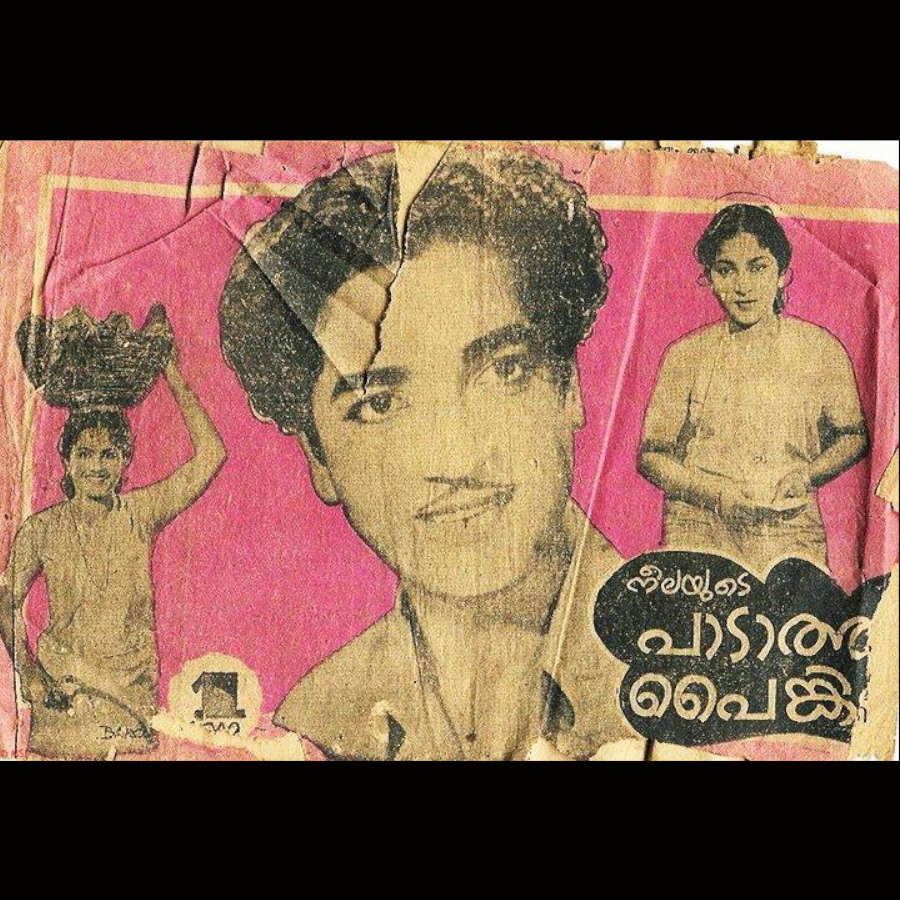
1957
Padatha Painkili
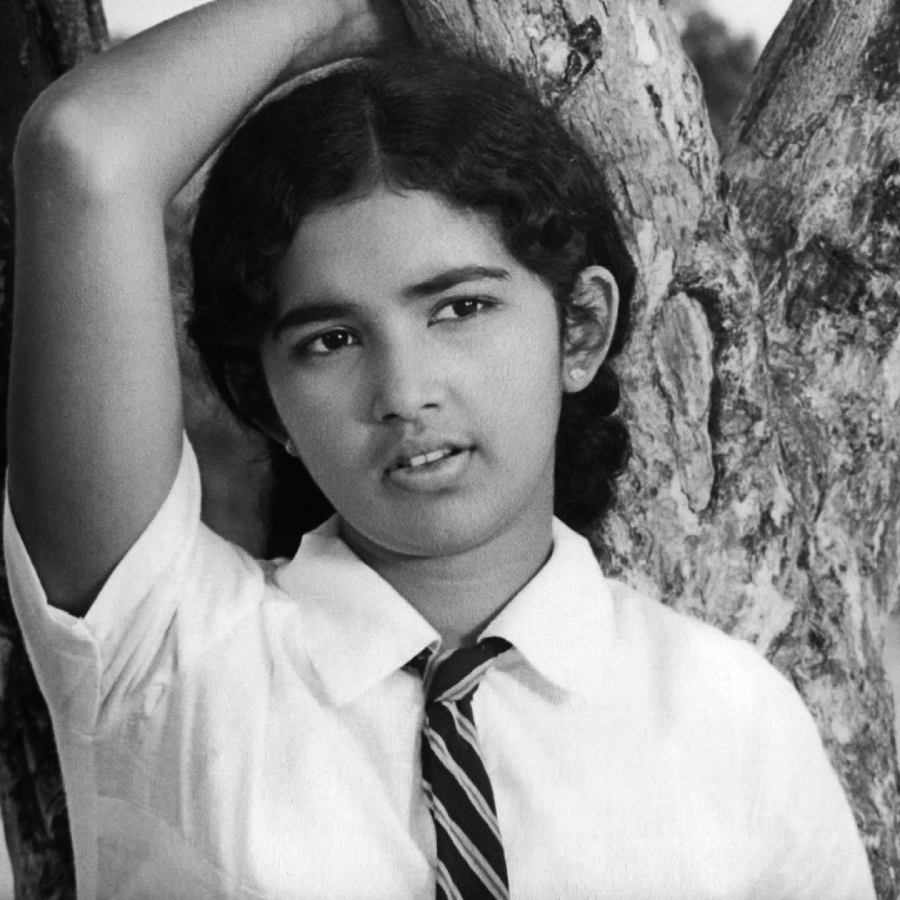
1978
The Girls
1925
Battleship Potemkin
Categories
- International Competition (14)
- Homage (11)
- World Cinema (57)
- Country Focus : Vietnam (5)
- Indian Cinema Now (7)
- Kaleidoscope (8)
- Malayalam Cinema Today (12)
- Opening Film (1)
- Special Screening (1)
- Midnight Screening (2)
- Spirit of Cinema (1)
- The Global Griot : Sissako's Cinematic Journey (5)
- Signatures In Motion (4)
- Festival Favourites (13)
- Viva el Cine: Latin American Films (5)
- Saeed Mirza Retrospective (3)
- Ritwik Ghatak Centenary (4)
- Youssef Chahine Retrospective (3)
- Garin Nugroho: The Poetic Archipelago (5)
- The Suvarna Legacy : Suvarna Chakoram (17)
- Her Lens Her Voice (5)
- The Pantheon of IFFK: Lifetime (10)
- From Under The Olive Tree (4)
- 50 Years of Rajeevnath (1)
Download Mobile Apps: