
Restored Classics
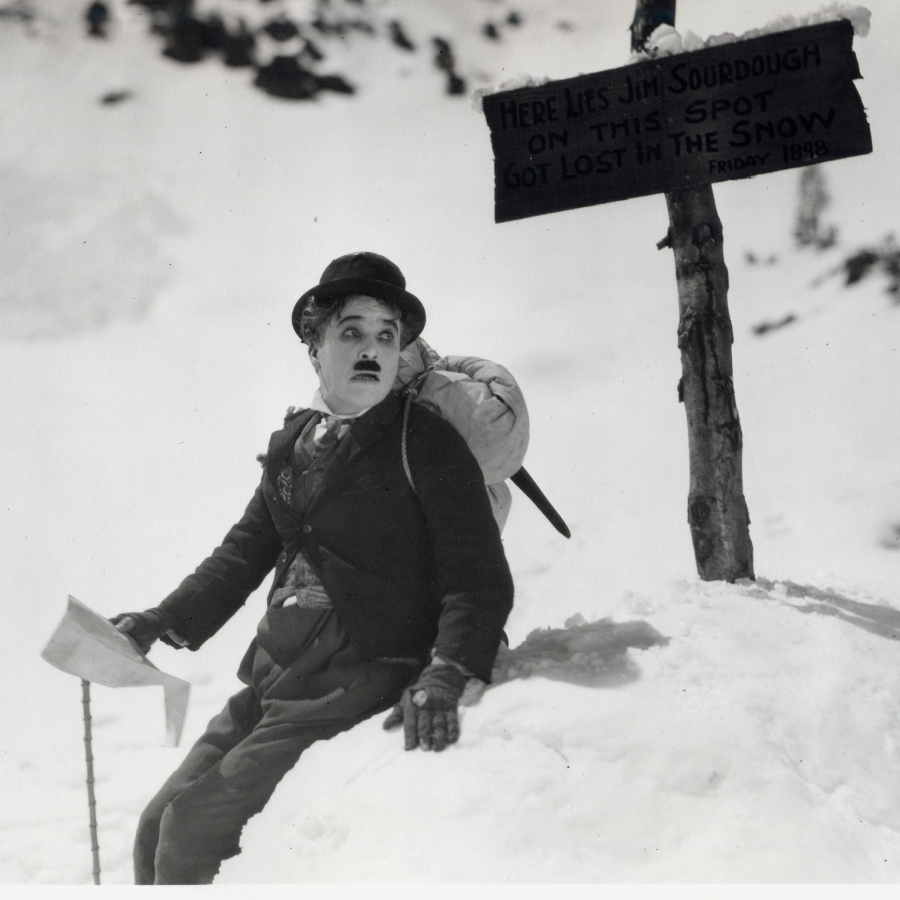
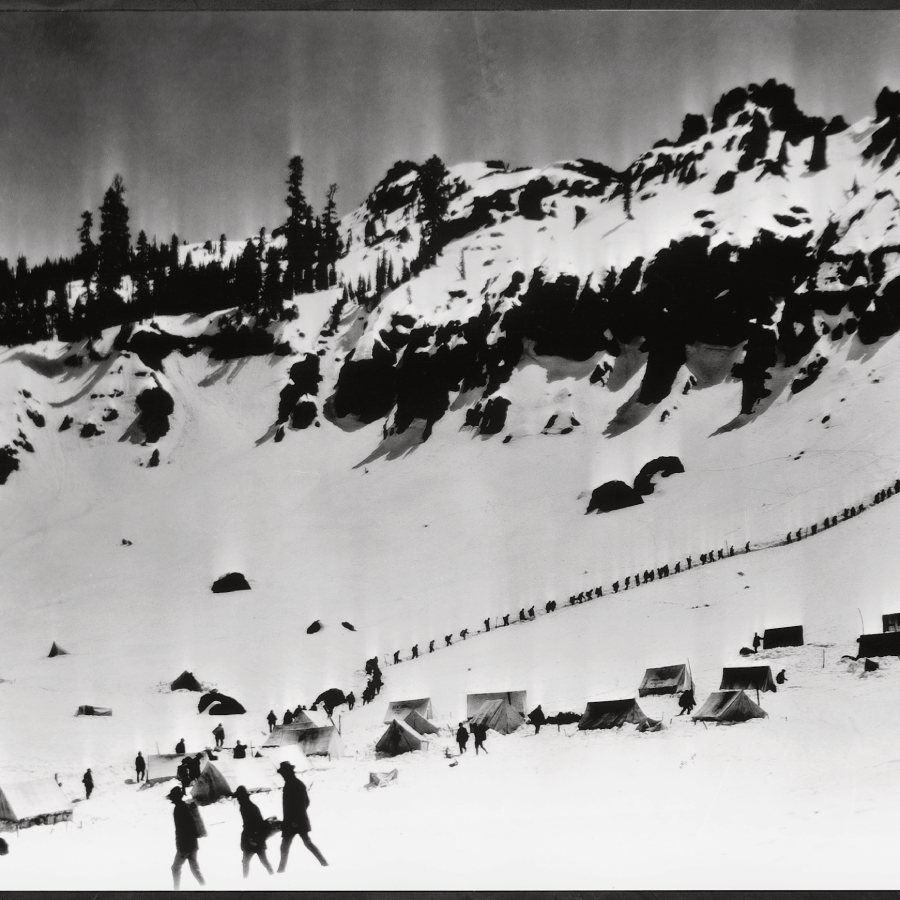
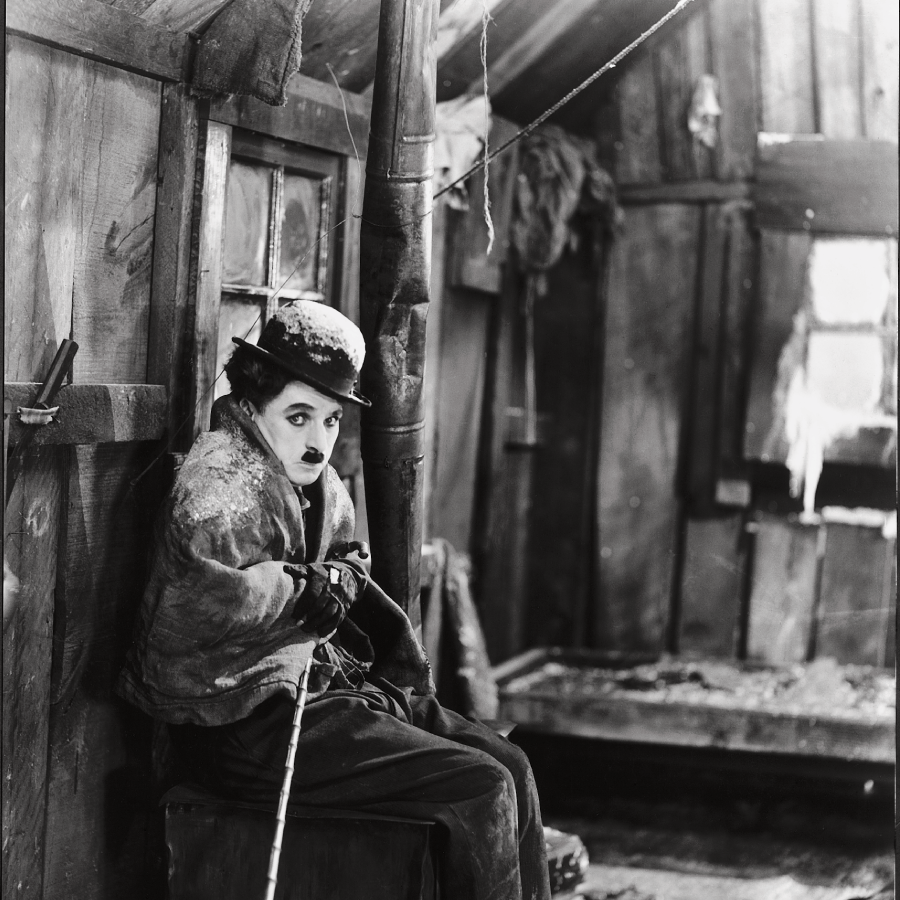
The Gold Rush / The Gold Rush
Charlie Chaplin
Director's bio
Charlie Chaplin
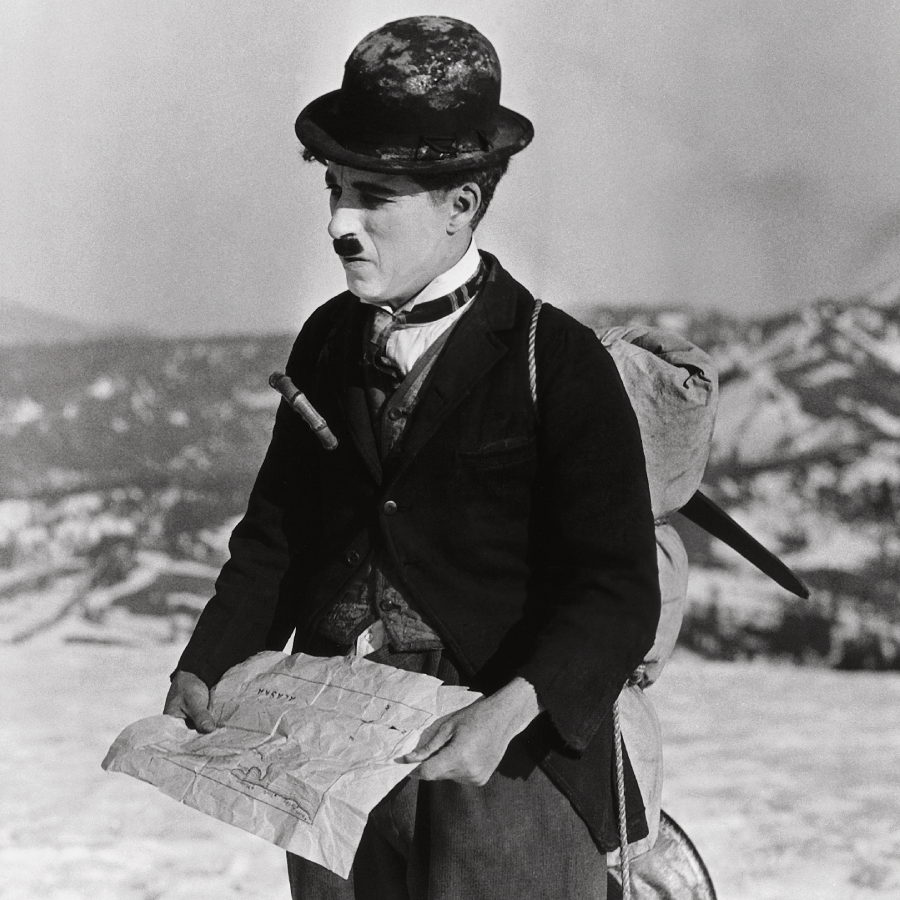
Born in London, Chaplin began performing on stage as a child before moving to the United States in 1913, where he joined Keystone Studios. His silent film persona, The Tramp, with bowler hat, cane, and distinctive walk, made him a global star. Chaplin’s filmography spans over 80 works, including classics such as The Kid (1921), The Gold Rush (1925), City Lights (1931), Modern Times (1936), and The Great Dictator (1940), where he boldly satirized Adolf Hitler. Later works like Limelight (1952) and A King in New York (1957) showcased his enduring artistry. Beyond acting, Chaplin wrote, directed, produced, and composed music for many of his films, blending comedy with social commentary. His career was marked by both immense acclaim and controversy, including political disputes that led to his exile from the U.S. in the 1950s. Honored with an Academy Award for lifetime achievement in 1972, Chaplin remains a towering figure whose blend of humor, pathos, and humanism continues to inspire filmmakers worldwide

Synopsis
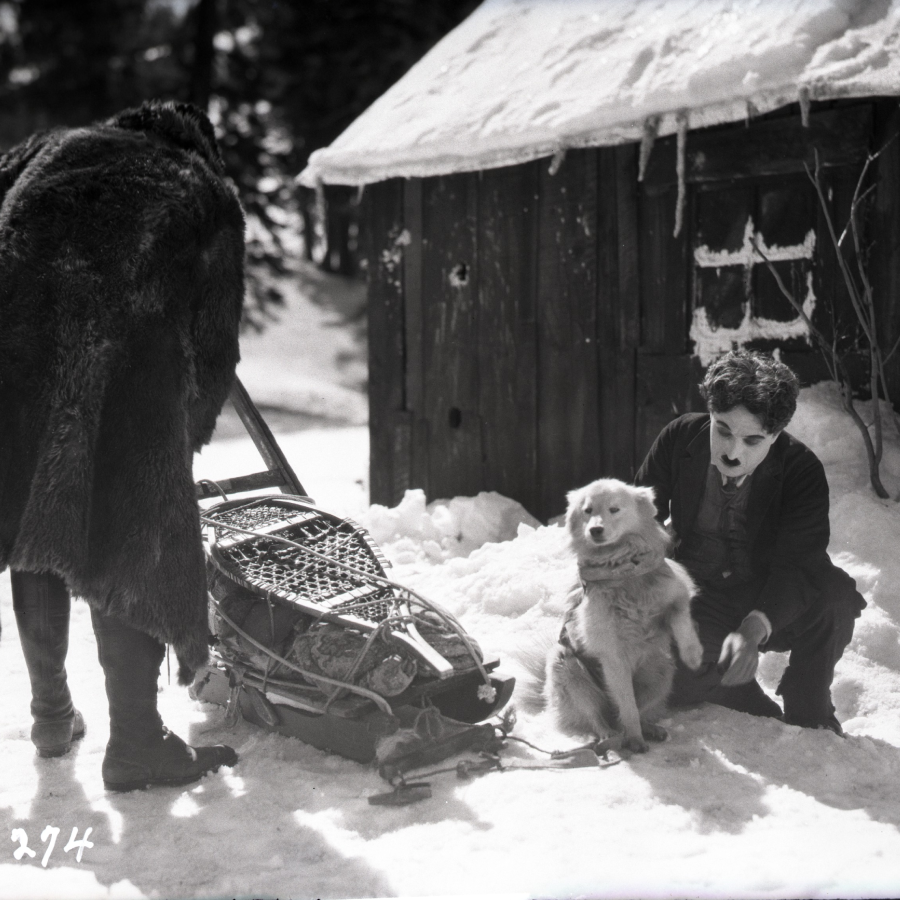
A calm and content Little Tramp seeks his fortune in the hidden gold mines of the Klondike. All calm is quickly lost, however, when another prospector, just as famished as he is, begins mistaking him for a giant chicken.
Details of Cast
Charlie Chaplin, Mack Swain, Tom Murray, Henry Bergman
Details of Crew
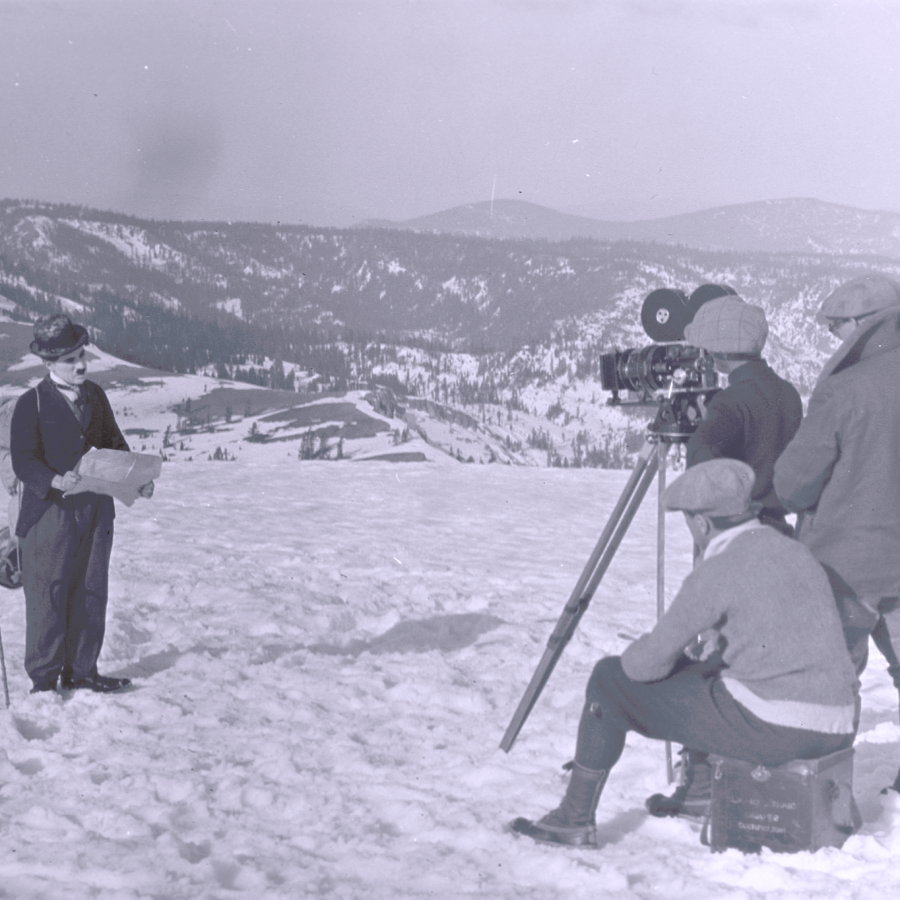
DoP: Roland Totheroh Editor: Charlie Chaplin, Edward Manson Sound Design: W. M. Dalgleish, Pete Decker
Producer Details
Charlie Chaplin
Writer Details
Charlie Chaplin
Stills
Films in this category
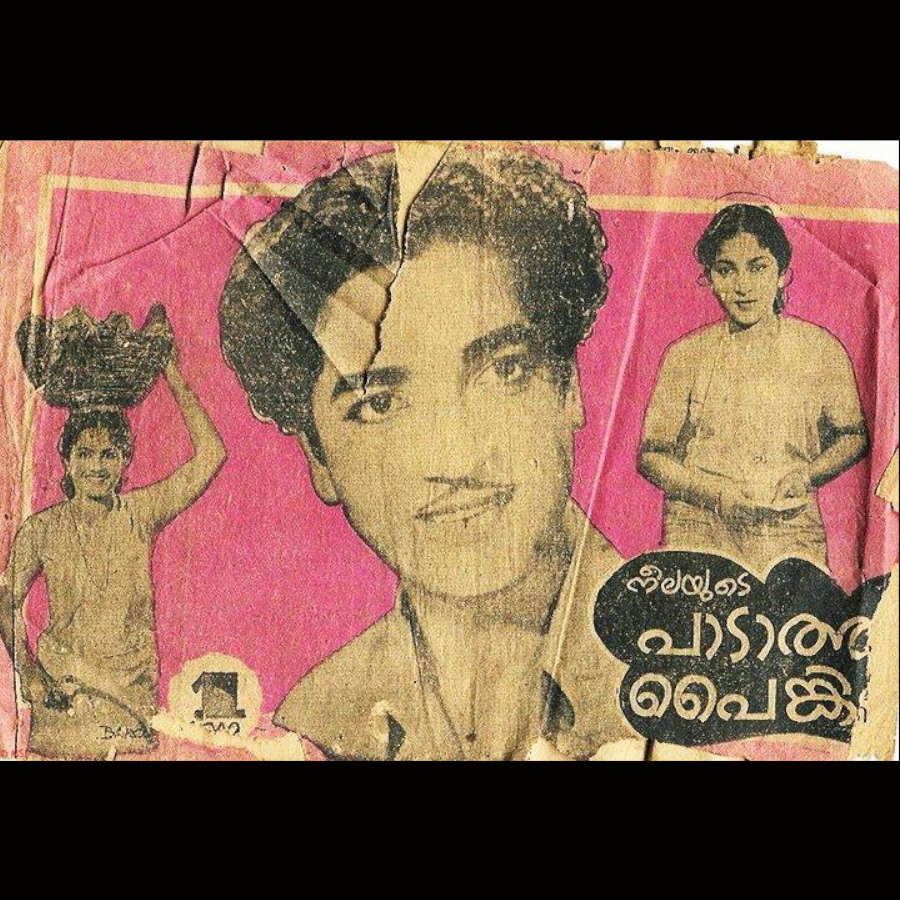
1957
Padatha Painkili
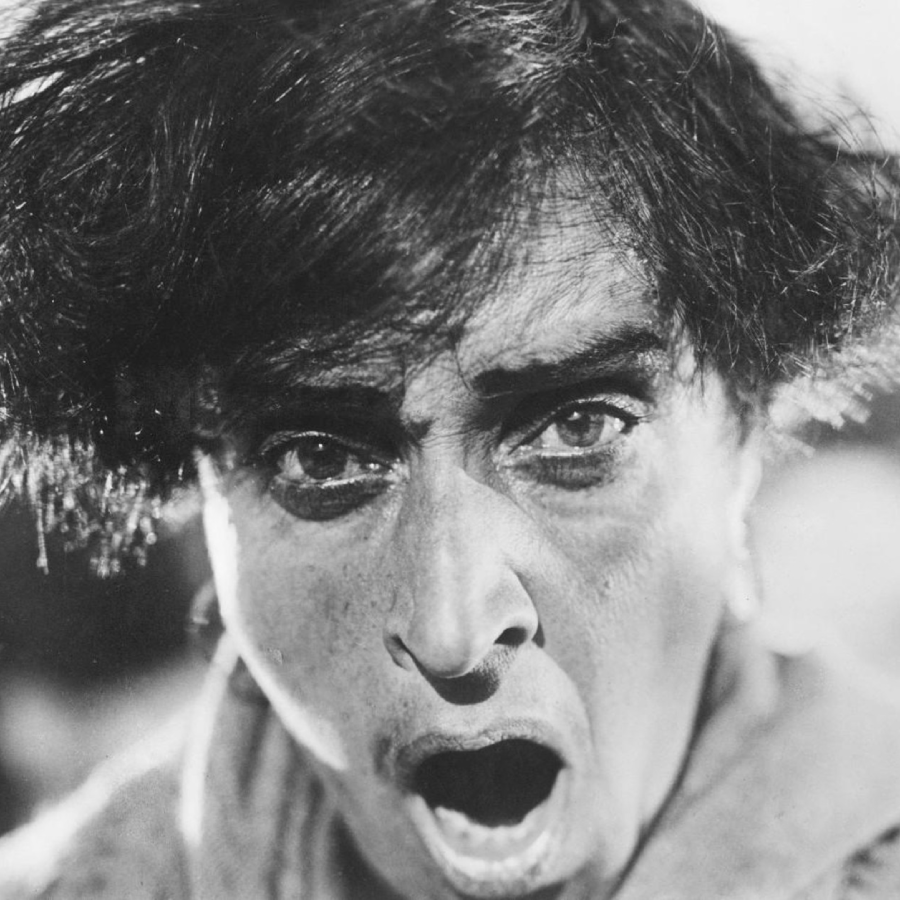
1925
Battleship Potemkin

1987
Blind Chance
1978
The Girls
Categories
- International Competition (14)
- Homage (11)
- World Cinema (57)
- Country Focus : Vietnam (5)
- Indian Cinema Now (7)
- Kaleidoscope (8)
- Malayalam Cinema Today (12)
- Opening Film (1)
- Special Screening (1)
- Midnight Screening (2)
- Spirit of Cinema (1)
- The Global Griot : Sissako's Cinematic Journey (5)
- Signatures In Motion (4)
- Festival Favourites (13)
- Viva el Cine: Latin American Films (5)
- Saeed Mirza Retrospective (3)
- Ritwik Ghatak Centenary (4)
- Youssef Chahine Retrospective (3)
- Garin Nugroho: The Poetic Archipelago (5)
- The Suvarna Legacy : Suvarna Chakoram (17)
- Her Lens Her Voice (5)
- The Pantheon of IFFK: Lifetime (10)
- From Under The Olive Tree (4)
- 50 Years of Rajeevnath (1)
Download Mobile Apps: