
The Suvarna Legacy : Suvarna Chakoram
10 + 4 / Dah be alaveh chahar

Mania Akbari
Director's bio
Mania Akbari
Mania Akbari’s provocative, revolutionary and radical films have recently been the subject of retrospectives at the BFI in 2013, the DFI in 2014, the Oldenburg International Film Festival in 2014, the Cyprus Film Festival in 2014 and Nottingham Contemporary in 2018. Her films have screened at numerous film festivals around the world and have received many awards including the German Independence Honorary Award in Oldenburg or the Best Film Award in the Digital Section of the Venice Film Festival. Akbari was exiled from Iran and currently lives and works in London, a theme addressed in “Life May Be,” a film co-directed with Mark Cousins. This film was screened at the Karlovy Vary International Film Festival and was nominated for Best Documentary at the Edinburgh International Film Festival and the Asia Pacific Film Festival in 2014. Akbari’s latest film, “A Moon For My Father,” made in collaboration with British artist Douglas White, premiered at CPH:DOX where it won the NEW:VISION Award as well as the FIPRESCI Award at the Flying Broom International Women’s Film Festival.

Synopsis
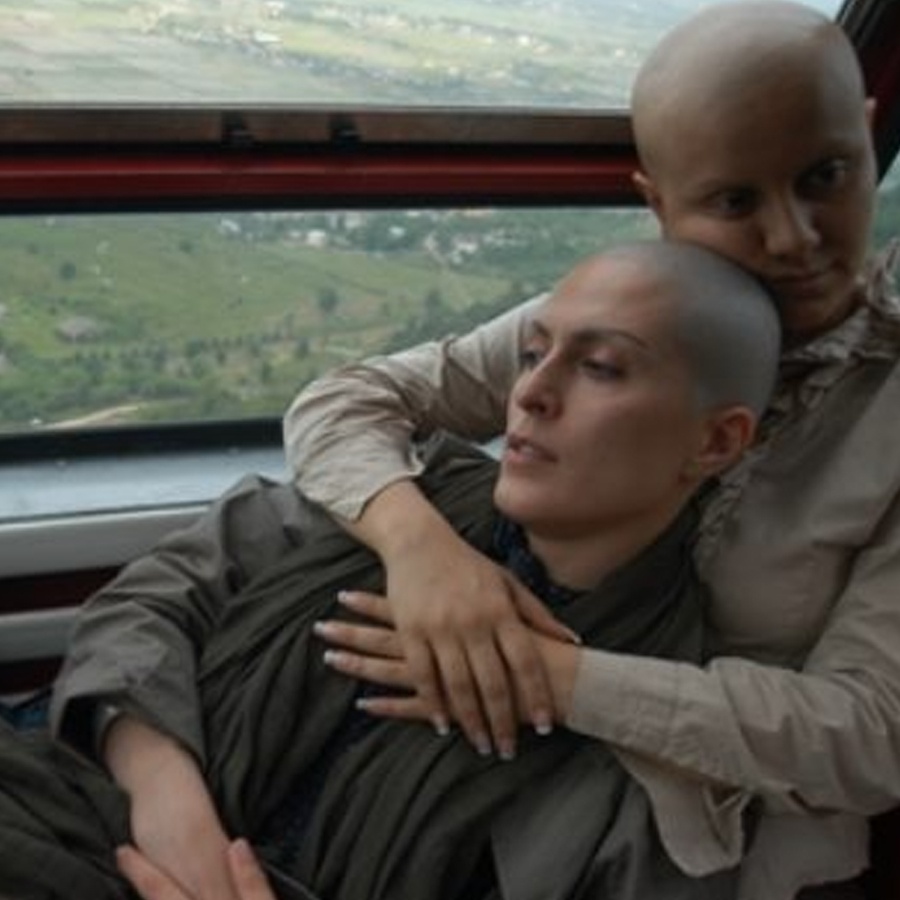
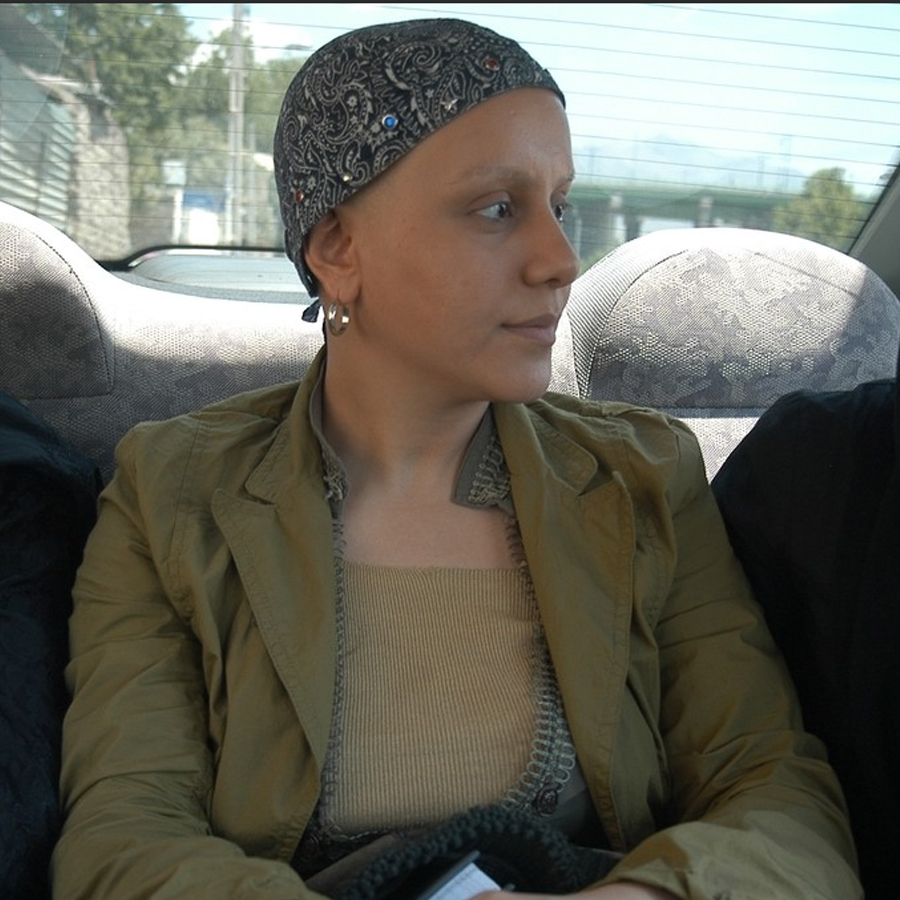
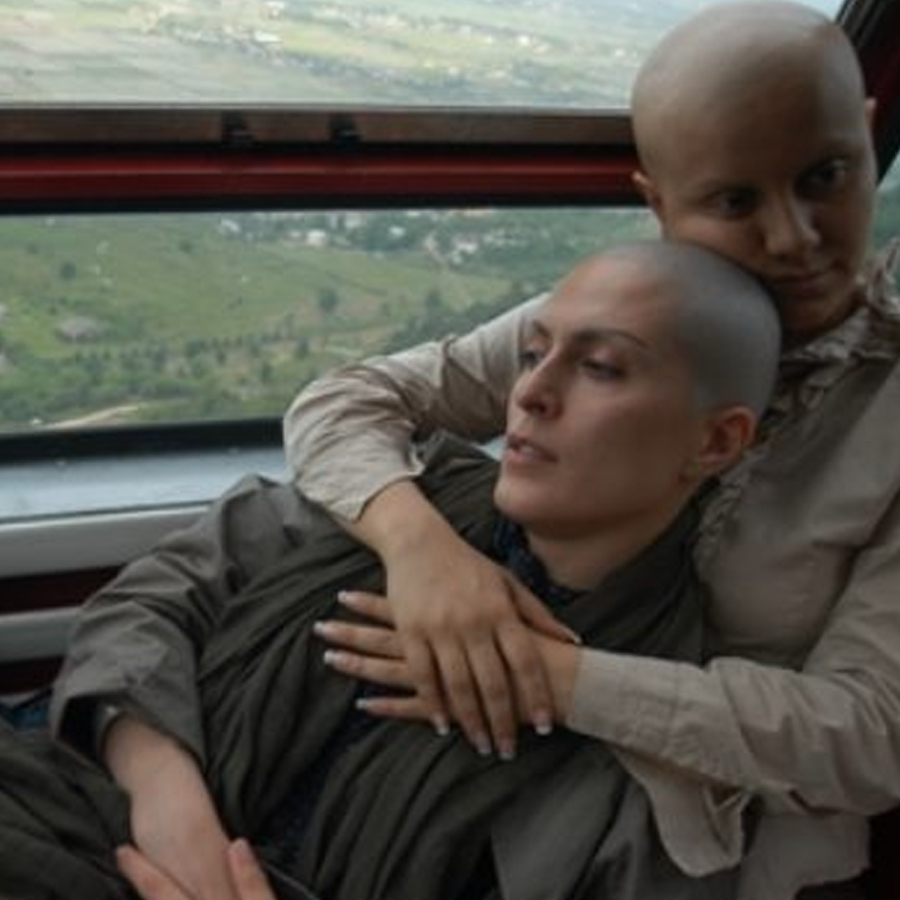
After casting painter and video artist Mania Akbari as the central figure of his groundbreaking Ten (2002), and then witnessing her outstanding debut as a feature film director in 20 Fingers (2004), Abbas Kiarostami urged her to direct a sequel to the film. In Dah be alaveh Chahar (10 + 4), though, circumstances are different: Mania is fighting cancer. She has undergone surgery; she has lost her hair following chemotherapy and no longer wears the compulsory headscarf; and sometimes she is too weak to drive. So the camera follows her to record conversations with friends and family in different spaces, from the gondola she had famously used in her first feature to a hospital bed.
Details of Cast
Mania Akbari Amina Maher Behnaz Jafari
Details of Crew
Cinematography Touraj Aslani
Producer Details
Mania Akbari
Writer Details
Mania Akbari
Stills
Films in this category
2012
Sta. Nina
2008
Parque Via
2016
Clash

2014
Refugiado
2014
Ottal

2009
About Elly
2005
Angel’s Fall
2007
XXY
Categories
- International Competition (14)
- Homage (11)
- World Cinema (57)
- Country Focus : Vietnam (5)
- Indian Cinema Now (7)
- Kaleidoscope (8)
- Malayalam Cinema Today (12)
- Restored Classics (5)
- Opening Film (1)
- Special Screening (1)
- Midnight Screening (2)
- Spirit of Cinema (1)
- The Global Griot : Sissako's Cinematic Journey (5)
- Signatures In Motion (4)
- Festival Favourites (13)
- Viva el Cine: Latin American Films (5)
- Saeed Mirza Retrospective (3)
- Ritwik Ghatak Centenary (4)
- Youssef Chahine Retrospective (3)
- Garin Nugroho: The Poetic Archipelago (5)
- Her Lens Her Voice (5)
- The Pantheon of IFFK: Lifetime (10)
- From Under The Olive Tree (4)
- 50 Years of Rajeevnath (1)
Download Mobile Apps: